
If you are struggling with persistent breakouts, spironolactone may be an effective long-term solution. Many women find that traditional treatments, including oral antibiotics, only provide temporary improvement. However, spironolactone targets the hormonal component of acne, helping control breakouts at their source.
At Arch Dermatology, we offer personalized treatment plans, includingAcne Treatment in St. Louis, to address both inflammatory and hormonal acne safely and effectively.
Why Antibiotics Are Not a Long-Term Solution
Oral antibiotics are sometimes prescribed to control moderate to severe acne. While they can reduce inflammation and bacteria, they do not treat the hormonal triggers behind many breakouts. Additionally, long-term antibiotic use can contribute to antibiotic resistance.
Because acne often lasts for years, especially in adult women, dermatologists frequently look for safer long-term alternatives. That is where spironolactone becomes an important option.
For more information about responsible antibiotic use, you can review guidance from the Centers for Disease Control and Prevention.
How Spironolactone Works for Acne
To understand how spironolactone helps, it is important to understand why acne develops.
Acne forms due to several factors working together:
- Excess oil (sebum) production
- Clogged pores
- Skin bacteria
- Inflammation
Oil production is influenced by hormones, particularly testosterone. Although testosterone is often considered a male hormone, women produce it in smaller amounts as well. When hormone levels fluctuate, oil production increases, which can trigger breakouts.
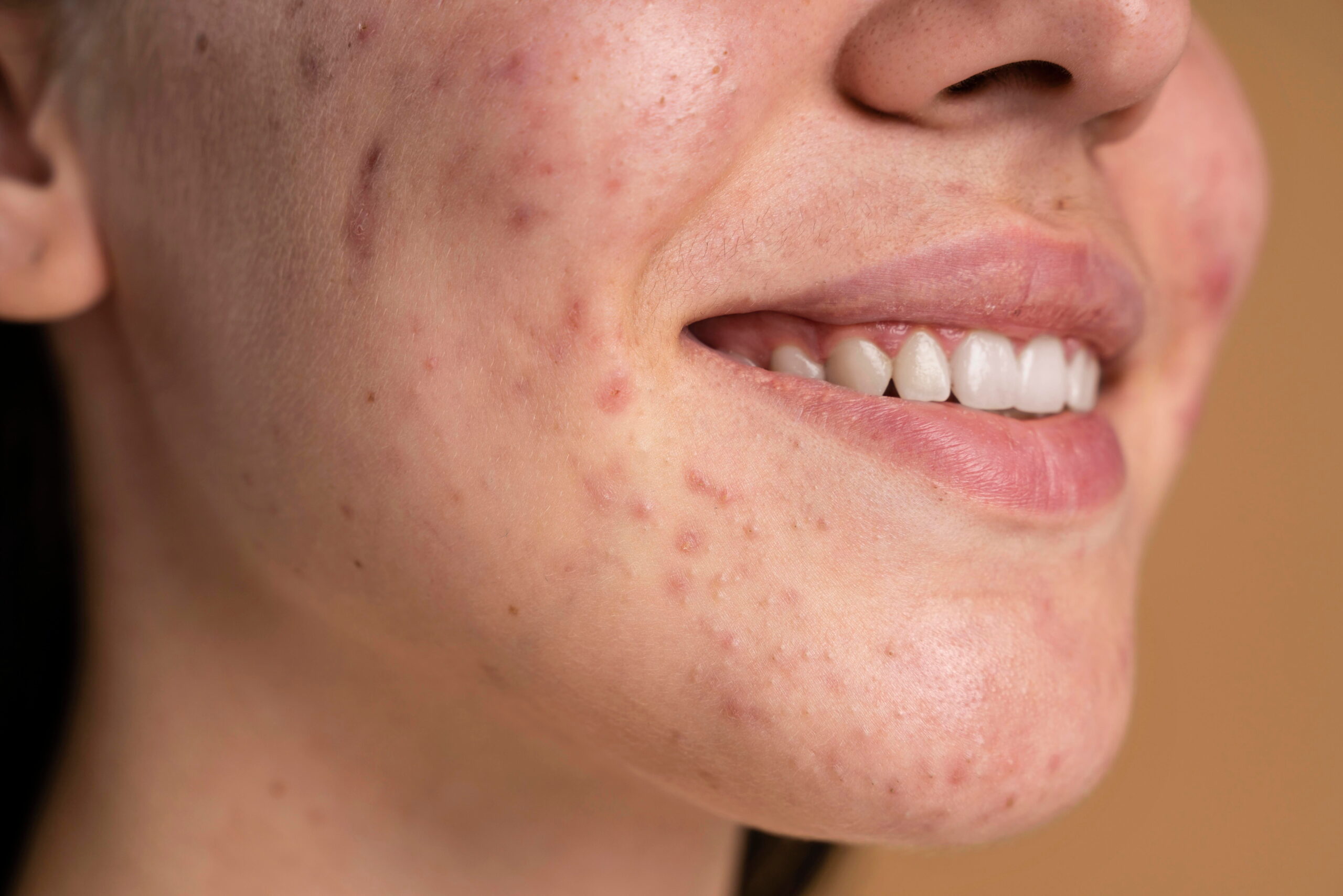
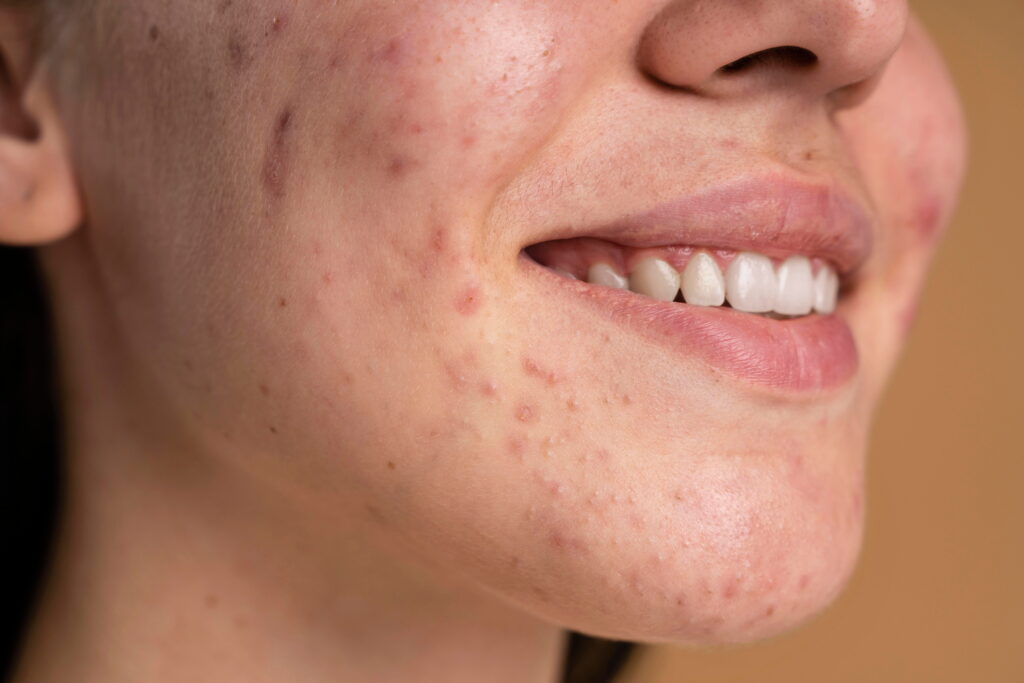
Spironolactone works by blocking the effects of these hormones at the skin level. As a result, oil production decreases, and acne improves over time. This is especially helpful for women with breakouts along the jawline, chin, and lower face — often referred to as hormonal acne.
Who Is a Good Candidate for Spironolactone?
pironolactone is commonly prescribed for adult women with:
- Persistent hormonal acne
- Acne concentrated in the “beard” distribution
- Breakouts that return after stopping antibiotics
Unlike antibiotics, spironolactone can be used safely for extended periods under medical supervision. According to research published by the National Institutes of Health, spironolactone is an effective alternative for women with acne who need long-term management.
However, there are important considerations:
- Kidney function may need to be evaluated before starting treatment.
- Women should not become pregnant while taking spironolactone, as it can affect fetal development.
With proper monitoring, many patients tolerate this medication very well.
How Long Does Spironolactone Take to Work?
Like most acne treatments, spironolactone requires patience. Improvement may take several weeks to a few months, even when you are on the correct dose. Typical dosing ranges from 50 mg to 200 mg per day, depending on individual needs.
Consistency is key. Regular follow-up appointments ensure the treatment plan is adjusted for optimal results.
Spironolactone vs. Treating Acne Scars
While spironolactone helps prevent new breakouts, it does not treat existing acne scars. If scarring has already developed, cosmetic procedures may be necessary. However, preventing scars by controlling acne early is always the best strategy.
You can also explore our Cosmetic Dermatology Services in St. Louis to learn more about scar treatment options.
Is Spironolactone Right for You?
If you continue to struggle with acne and have relied on repeated courses of antibiotics, spironolactone may be a better long-term solution. By targeting the hormonal drivers of acne, this treatment helps reduce breakouts while minimizing the risks associated with prolonged antibiotic use.
Schedule a consultation at Arch Dermatology to discuss whether spironolactone is the right fit for your skin. Early, targeted treatment can make a lasting difference in both your skin health and confidence.